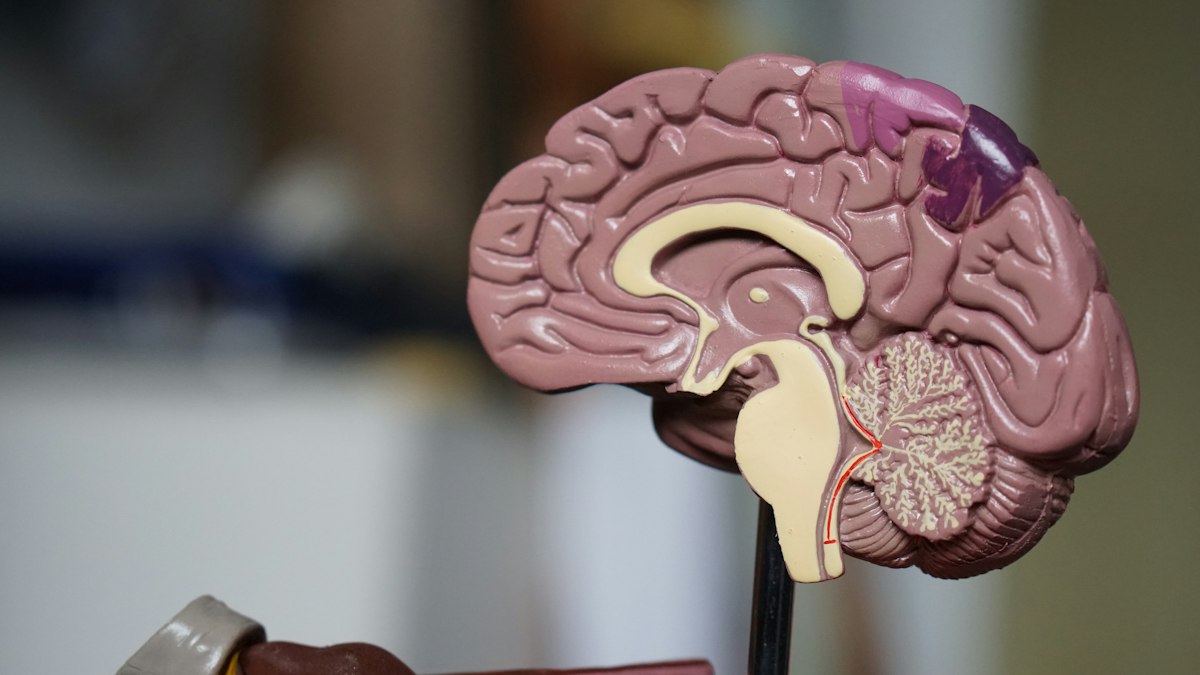
Neuromarketing: The Hidden Science That Makes People Say "Yes"
Every day, consumers are bombarded with over 6,000 marketing messages. Most fade into the background. Here's the brain science that makes messages stick.
Every day, consumers are bombarded with over 6,000 marketing messages. Most of them fade into the background. Why? Because the human brain filters out information that doesn't spark emotion, urgency, or relevance.
This is where neuromarketing comes in — the powerful blend of neuroscience and marketing. By understanding how the brain responds to triggers, brands can craft messages that cut through the noise, capture attention, and drive action.
What Is Neuromarketing?
Neuromarketing is the study of how the brain makes purchasing decisions. Instead of guessing, it relies on neuroscience tools (like eye tracking, EEG, or biometric data) to reveal what truly resonates with people — often below conscious awareness.
It's not manipulation. It's alignment: shaping your message to connect with real human needs, emotions, and desires.
Why Neuromarketing Matters
Studies show that 95% of buying decisions happen subconsciously. That means logic and features matter less than how something feels.
With neuromarketing, businesses can:
- Create packaging and visuals that the brain can't ignore
- Frame pricing to reduce hesitation
- Write ads that feel urgent, emotional, and irresistible
- Build loyalty by aligning with reward systems in the brain
Neuromarketing in Action
Coca-Cola vs. Pepsi: Brain scans showed stronger emotional activation when participants saw Coca-Cola branding, even if they liked Pepsi's taste more. The brand story matters more than the product itself.
IKEA store layouts: Designed to tap into brain pathways of exploration and reward, making shoppers wander — and buy more than they planned.
Apple product design: Sleek, tactile packaging creates anticipation and activates brain pleasure centers before the product is even used.
40 Brain-Optimized Copy Transformations
Here are before-and-after examples for retail, online sellers, SaaS, subscriptions, and education.
For Online Sellers (E-commerce, Amazon, Etsy, Shopify)
Instead of "Buy now" → say "Only 5 left in stock — grab yours before it's gone."
Instead of "Fast shipping" → say "Delivered to your door before the weekend."
Instead of "Best price" → say "Keep an extra $30 in your pocket today."
Instead of "Great quality" → say "Built to last through 1,000 uses — guaranteed."
Instead of "New collection available" → say "Meet the pieces your wardrobe has been waiting for."
Instead of "Limited edition" → say "Once it's gone, it's gone forever."
Instead of "Customer reviews" → say "Loved by 20,000 happy buyers just like you."
Instead of "Eco-friendly product" → say "Every purchase saves 2 plastic bottles from the ocean."
For SaaS / Software Companies
Instead of "Download our app" → say "Tap once, unlock a world built just for you."
Instead of "Free trial available" → say "Start today — your future self will thank you tonight."
Instead of "Boost productivity" → say "Finish in 2 hours what usually takes 6."
Instead of "AI assistant included" → say "It's like having a personal team working 24/7 just for you."
Instead of "Secure platform" → say "Sleep peacefully knowing your data is locked tighter than a bank vault."
For Subscription Services & Memberships
Instead of "Upgrade to premium" → say "Unlock the features your competitors wish they had."
Instead of "Cancel anytime" → say "Stay as long as you love it, leave whenever you want."
Instead of "Join the community" → say "Connect instantly with 10,000 people just like you."
Universal Examples (Any Industry)
Instead of "Trusted brand" → say "Chosen by families for 25 years."
Instead of "Save money" → say "What will you do with the $500 you keep this year?"
Instead of "Limited offer" → say "Only 3 left — your future self will thank you."
Instead of "Act now" → say "This window closes tonight at midnight."
Instead of "High quality" → say "Crafted to last a lifetime of memories."
Instead of "Save time" → say "Add 3 extra hours to your day without effort."
Practical Tactics You Can Use Today
Even without fMRI scanners, you can apply these principles starting this week:
Color Psychology: Use red for urgency, blue for trust, green for health and growth. These associations are deeply wired and cross-cultural.
Storytelling: Create narratives that trigger empathy and mirror neurons. "Our customer Sarah reduced her team's QA time by 40%" lands harder than "40% efficiency improvement."
Scarcity & Social Proof: "Only 5 left" combined with "10,000 sold" pushes the brain into action. Each trigger is powerful alone; together they're almost irresistible.
Sensory Branding: Add sound, texture, or scent cues where possible to make experiences memorable. The brain retains multi-sensory experiences longer than single-channel ones.
The Takeaway
Neuromarketing is not about tricking people. It's about connecting with their real desires, emotions, and motivations — and communicating in a language the brain is wired to receive.
Start small: pick 3–5 transformations from this post and test them in your next campaign. Measure the difference. Then iterate.